The moment we've all been waiting for has arrived. Summer is approaching, leaves are arranged, and the sweet rush of where to spend that wonderful week has surrounded you. While browsing on Instagram, you see the advertisement for that 5-star hotel in your favorite holiday resort: "Spring Campaign: Up to 60% discounts!" How could you not click? I clicked. And that's exactly where the nightmare began.
The Background of That "Wonderful" Site
The link I clicked redirected me directly to the hotel's website. Or at least, so I thought! The site design, logos, hotel photos... Even that small red warning saying "2 rooms left!" was so professional that I didn't doubt it for a second.
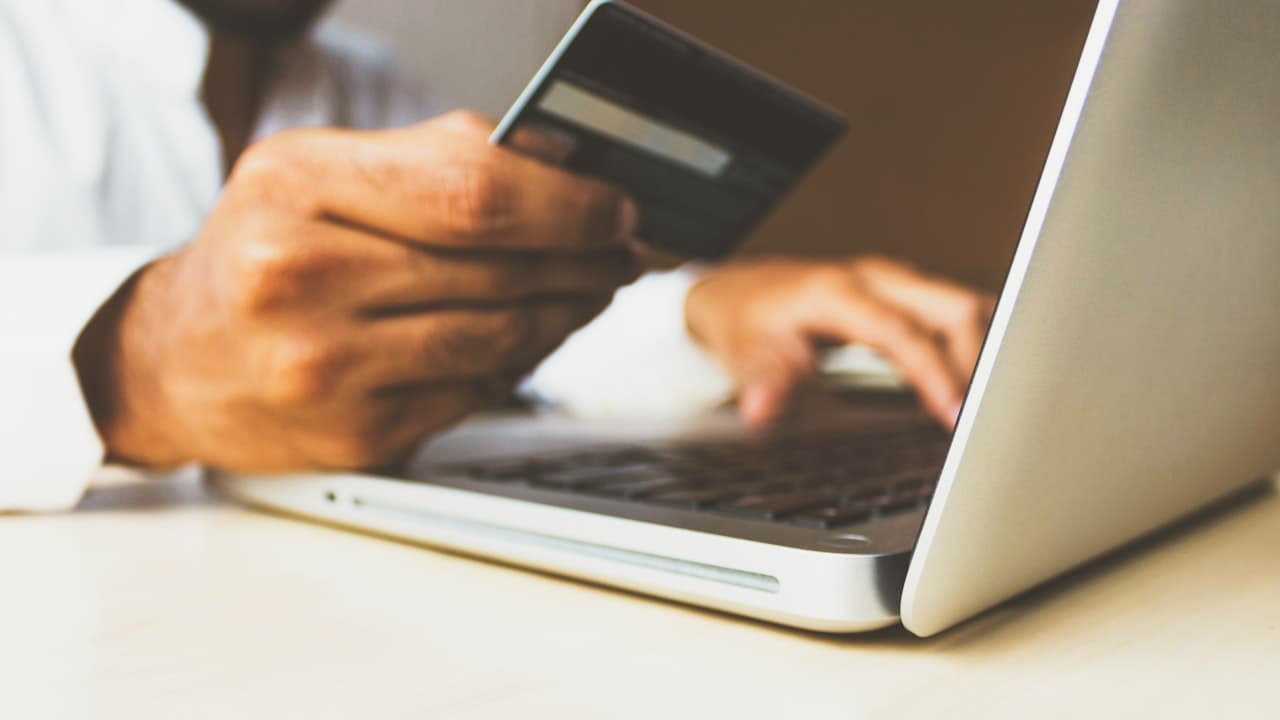
I chose the rooms, entered the dates, and reached the credit card screen. This is where I made the first critical mistake: I didn't look at the URL line at all. Because while the site's address should have been `xresorthotel.com`, it was actually `xresort-deal.com`.
SMS: "Do Not Share Your Password with Anyone!"
I entered the card information on the payment screen, and a 3D Secure password arrived on my phone. I read the SMS in a hurry, entered the password, and was greeted by the "Payment Successful" screen. I was relieved at that moment. Until a call came from my bank in the late afternoon.
The voice on the phone was from the bank's cybersecurity department. *"Mr. Nadir, another withdrawal attempt of 75,000 TL was just made from an overseas-based e-commerce site, does it belong to you?"* When he said that, I felt like boiling water was poured down my head. My hotel reservation was only 12,000 TL!
The Facts: What Did We Actually Pay For?
After the phone traffic with the bank, the bitter truth came to light. That password I entered was not for a hotel payment, but a 3D approval for an amount transferred to a front crypto exchange abroad. The phishing gang had literally cloned my card, and I had given them this authorization with my own hands via the SMS password.
Navigation Note: If you encounter such situations, definitely check out our guide titled How to Identify a Fake Vacation Site?. The first 3 steps I explain in that article are lifesavers.
Aftermath and Recovery Efforts
Of course, I immediately canceled my card. I filled out the chargeback documents. Between the Consumer Arbitration Committee and the prosecutor's office, a whole week was spent in police corridors. The vacation? I went to my hometown village that summer because my enthusiasm was gone.
If you are on that "perfect opportunity" screen, ask yourself these questions before entering your credit card information: * "Why would this hotel redirect me to another site?" * "Is the first site that appears when I search for the hotel's own name on Google the same as the site I entered?"
We need to rest on vacation, not get tired. Even if you are a cybersecurity expert, that momentary "fear of missing out (FOMO)" can pull you into the trap. Thanks to the RuuSafe platform, I now rest easy by instantly verifying the security scores of the domains I visit.
Frequently Asked Questions
How can I tell if I've been subjected to a phishing attack?
When you receive an unexpected transaction notification from the bank, be sure to check the URL of the site where you made the payment. Addresses containing extra hyphens or words in the original hotel name (e.g., xhotel-deal.com), a different company name appearing in the 3D Secure SMS, and an immediate large additional withdrawal attempt are the main symptoms of a phishing attack.
My credit card has been cloned, what should I do?
First, have your card blocked immediately and request a chargeback from your bank. Then, file a petition with the Chief Public Prosecutor's Office Cyber Crimes Bureau. Acting without losing time significantly increases the probability of getting your money back.
How can I shop safely from Instagram holiday advertisements?
Instead of clicking the link in the advertisement, reach the official website by searching for the hotel's name on Google. Check that the URL matches the original brand name exactly. Verify that the company name appearing in the 3D Secure SMS during payment is the hotel where you made the reservation.